Finance’s Role in Economic Ruin
The finance industry, often hailed as the backbone of modern economies, has a darker side that increasingly threatens global stability. Since the 2008 financial crisis, triggered by reckless speculation in mortgage-backed securities, the sector’s unchecked growth has sown seeds of destruction. In the United States alone, the financial sector’s share of GDP rose from 2.8% in 1950 to 8.4% by 2020, yet it produced no tangible goods, instead profiting from debt and risk. Critics argue this shift diverts capital from productive industries like manufacturing—down from 27% to 11% of US GDP over the same period to speculative bubbles.
The 2023 collapse of Silicon Valley Bank, fuelled by over-leveraged bets on tech stocks, cost $20 billion in bailouts and sparked a domino effect across European markets. In the UK, the 2022 mini-budget crisis, exacerbated by hedge fund short-selling of gilts, pushed borrowing costs to record highs. Economist Ann Pettifor warns, “Finance thrives on instability it creates”. With global debt at $305 trillion—three times world GDP—experts fear the industry’s pursuit of profit through complex derivatives and high-frequency trading could precipitate another crash. Is finance an engine of growth or a wrecking ball?

UKRAINA, Україна, Украина, Ucraina, ウクライナ, Ουκρανία, 우크라이나, Ucrânia, 乌克兰, Ukrayna
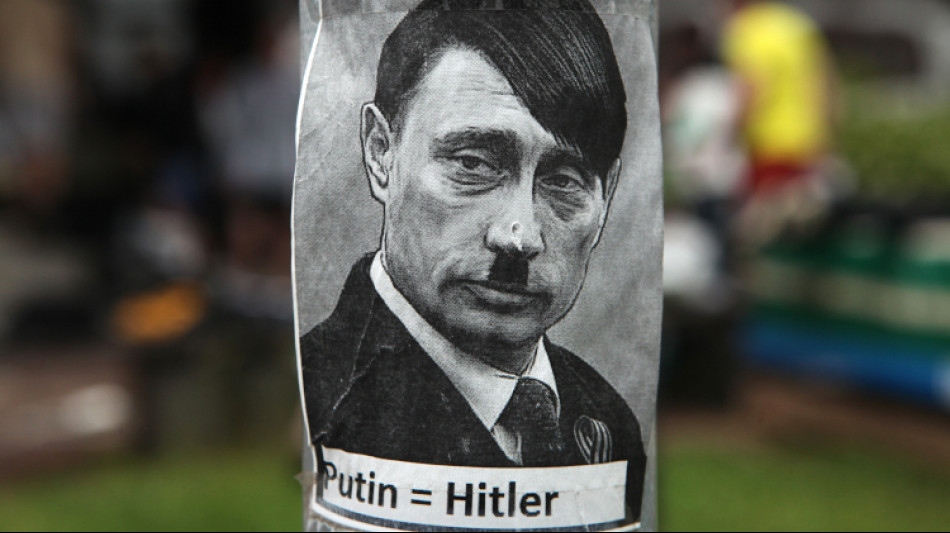
Ukraine: War terror of the russian army!

War crime by the Russians: Thousands without drinking water in Ukraine

We thank the Heroes of Ukraine!

Arab League reinstates Syrian membership after a 12-years

Turkey's President Erdogan shows he is ready for a fight

Россия - это государство без будущего!

Три тупые свиньи: Пригожин, Шойгу и Путин!

Perverted Russian gets a bashing as flag thief

Россия: Кто придет после преступника Путина?

Thank you Ukraine for the destruction of the Russian terror soldiers!